OpenAI cuts prices by up to 90% to lure Anthropic's biggest customers
OpenAI is offering steep discounts to Anthropic's biggest customers — and some have already switched, according to a report by The Information.
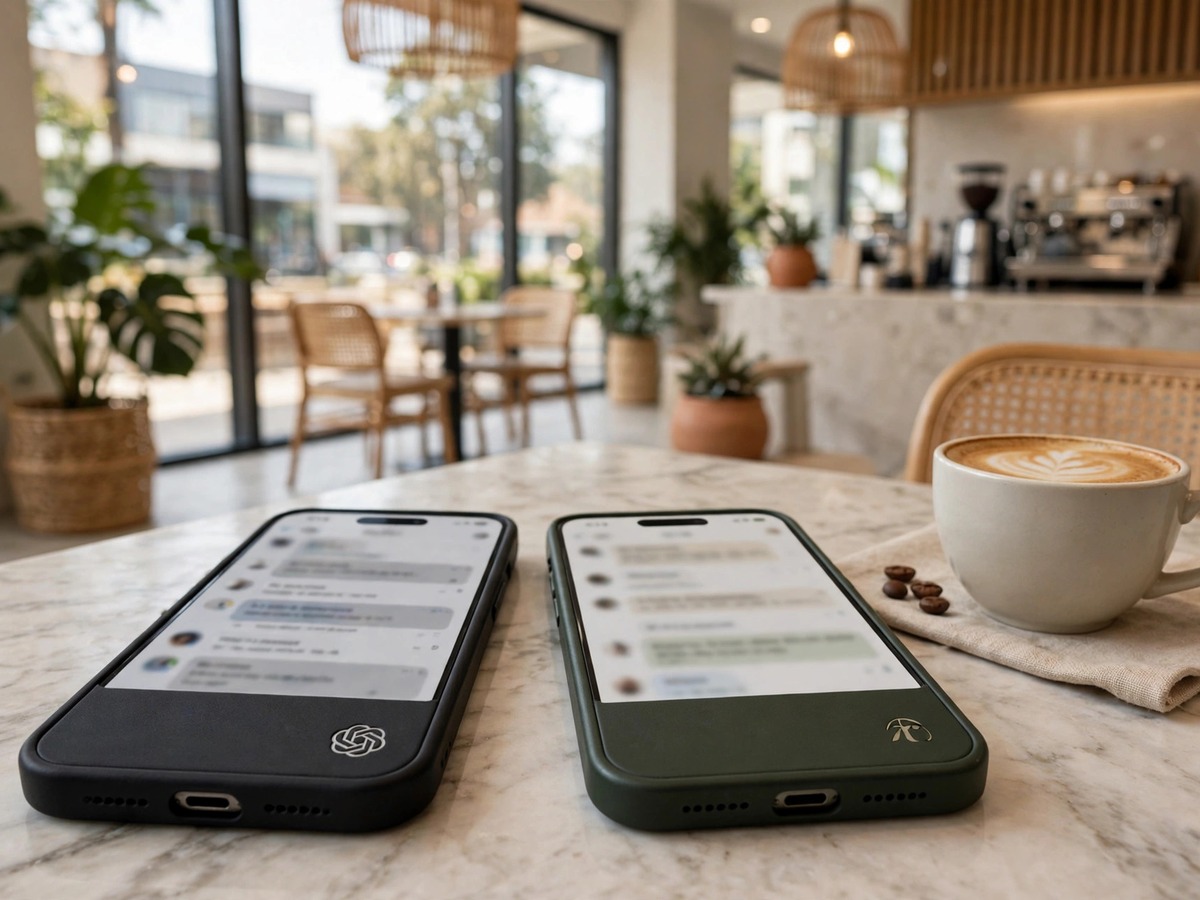
OpenAI — the company behind ChatGPT — is offering steep price discounts to lure away the biggest customers of rival Anthropic, and some of them have already switched. That is according to a report by The Information, published on October 25, 2026.
The biggest example is Rippling, a human-resources software company. Its chief executive, Parker Conrad, said the share of coding work done by OpenAI's models rose from 16 percent to 52 percent, while Anthropic's share fell from 57 percent to 18 percent.
Replit, a platform for developers, switched after OpenAI offered a discount of more than 30 percent on a contract worth over $100 million a year. DataCamp, a data-training company, said OpenAI's prices cut its costs by 80 to 90 percent — according to its chief executive, Jonathan Cornelissen. And one US bank with more than $7 billion in assets doubled its ChatGPT seats to 500 employees at no extra charge, paying under $7 per user instead of the usual $20 or more.
Why is OpenAI doing this? In part, it is buying market share at the expense of its own profit margins. But it has also achieved real cost reductions through its new Sol and Luna model lines, which are cheaper to run. Meanwhile, Anthropic's growth slowed between the second and third quarters of this year, according to an investor memo. Both companies also face price pressure from China, where DeepSeek and Kimi models deliver comparable performance for much less money.
One important caveat: these figures come from the customers themselves and people familiar with the deals — neither OpenAI nor Anthropic has confirmed the numbers publicly. And "90 percent" is not an official price list announced by OpenAI; it is what one customer says its costs fell by after switching providers. But the direction is clear: a price war has begun, and AI prices are falling.
What does this mean for you?
Small business: This is good news — but don't buy on price alone. If big companies can switch providers in a few months, so can you. Negotiate on price, compare the cost per finished task, and avoid contracts that lock you into a single vendor. Free or cheap tools like DeepSeek can be a good alternative for many jobs.
Developers and tech entrepreneurs: AI models are now interchangeable products — Rippling moved more than half of its coding work in a few months. Build your tools in a way that lets you switch providers easily, instead of tying yourself to one company.
Teachers and students: AI tools are getting cheaper every month — this is a chance to learn and teach at low cost. But the cheapest price doesn't always mean the same quality: try different models and pick the one that works best for your task, not just the cheapest one.
Everyday users: This price war could push down the cost of services you use — such as a ChatGPT subscription. Watch for new offers, and remember that when companies compete on price, they often add new features too, to win you over.
More stories

IFC invests in Kifiya: the AI helping farmers get loans without collateral
The International Finance Corporation has invested in Ethiopian fintech Kifiya, whose AI assesses borrowers with no credit history — and the company is now looking to expand into Tanzania, Kenya, Uganda and Rwanda.

Google launches Gemini 4 Carbon: a new AI to defend software against hackers
Google DeepMind's new model says it finds security flaws 88% of the time and patches them itself — but for now only cyber defenders get access, not the public.

Anthropic goes public: Claude's maker reveals $16.3B revenue and an $80.7B loss
The US AI company has filed to list on the Nasdaq stock market — but most of its huge loss is a paper accounting charge, not cash lost.